
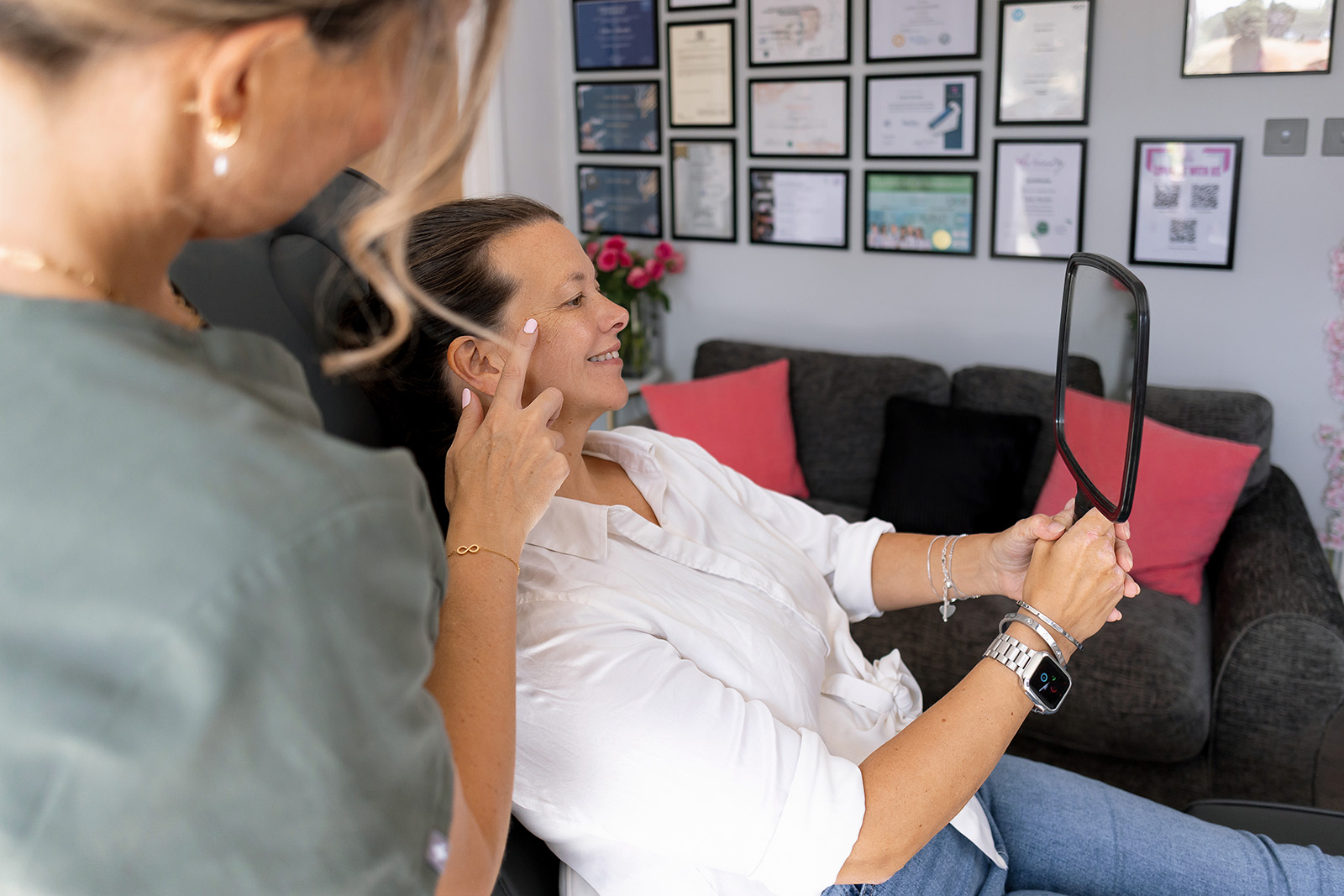
Skin rejuvenation treatments are designed to improve skin quality, things like hydration, glow, firmness, fine lines and texture, without changing your natural features.
One of the most effective options for this is injectable skin boosters, which are placed into the skin in small amounts to support healthier-looking, more resilient skin over the weeks that follow.
At There You Glow Aesthetics in Maidenhead, Berkshire, our skin rejuvenation options include Profhilo and Polynucleotides.
While both aim to improve overall skin appearance, they work in slightly different ways and can be tailored depending on whether your main concern is dehydration and crepey texture, loss of firmness, or tired-looking skin.
Skin boosters are commonly chosen for areas that are prone to visible ageing and thinning, such as the face, under-eye area, neck, décolletage and hands.
Results are typically gradual and natural-looking, and your practitioner will recommend the most suitable treatment plan during a consultation. As with all aesthetic treatments, individual results vary.
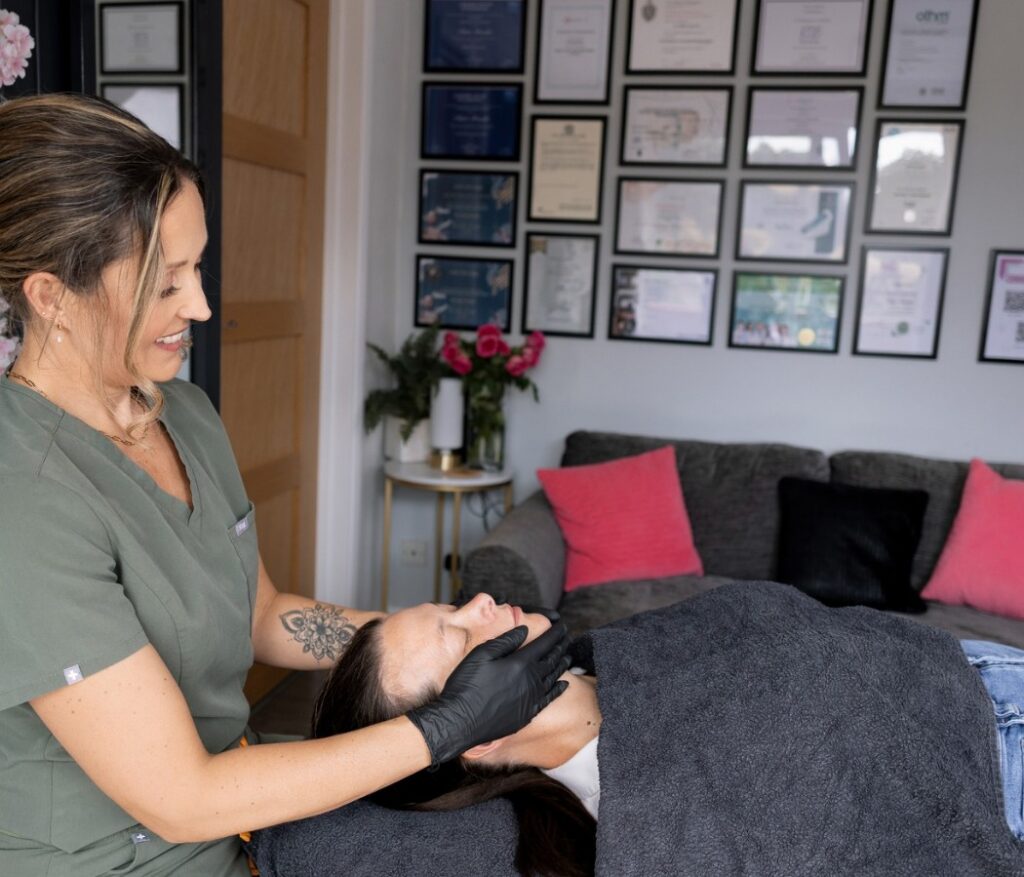
Profhilo is an injectable hyaluronic acid skin booster designed to improve hydration and overall skin quality. Rather than adding volume or altering facial shape, Profhilo spreads through the skin to support a fresher, smoother look and help improve the appearance of crepey texture, dullness and fine lines.
It’s a popular option if your skin feels dehydrated, looks tired, or has started to lose that “bounce” and softness. Profhilo can be used on areas where skin commonly shows early ageing, including the face, neck, décolletage and hands.
Most people notice a gradual improvement in skin texture and glow over the following weeks. Your practitioner will talk you through what’s realistic for your skin and create a plan based on your goals. Results vary from person to person.
A common approach is a course of two treatments, usually spaced around four weeks apart, with maintenance recommended depending on your skin and lifestyle.
“I saw Claire recently for Profhilo treatment… her friendly calm manner put me at ease… experienced and made the treatment seem simple and uncomplicated.”
Ruth
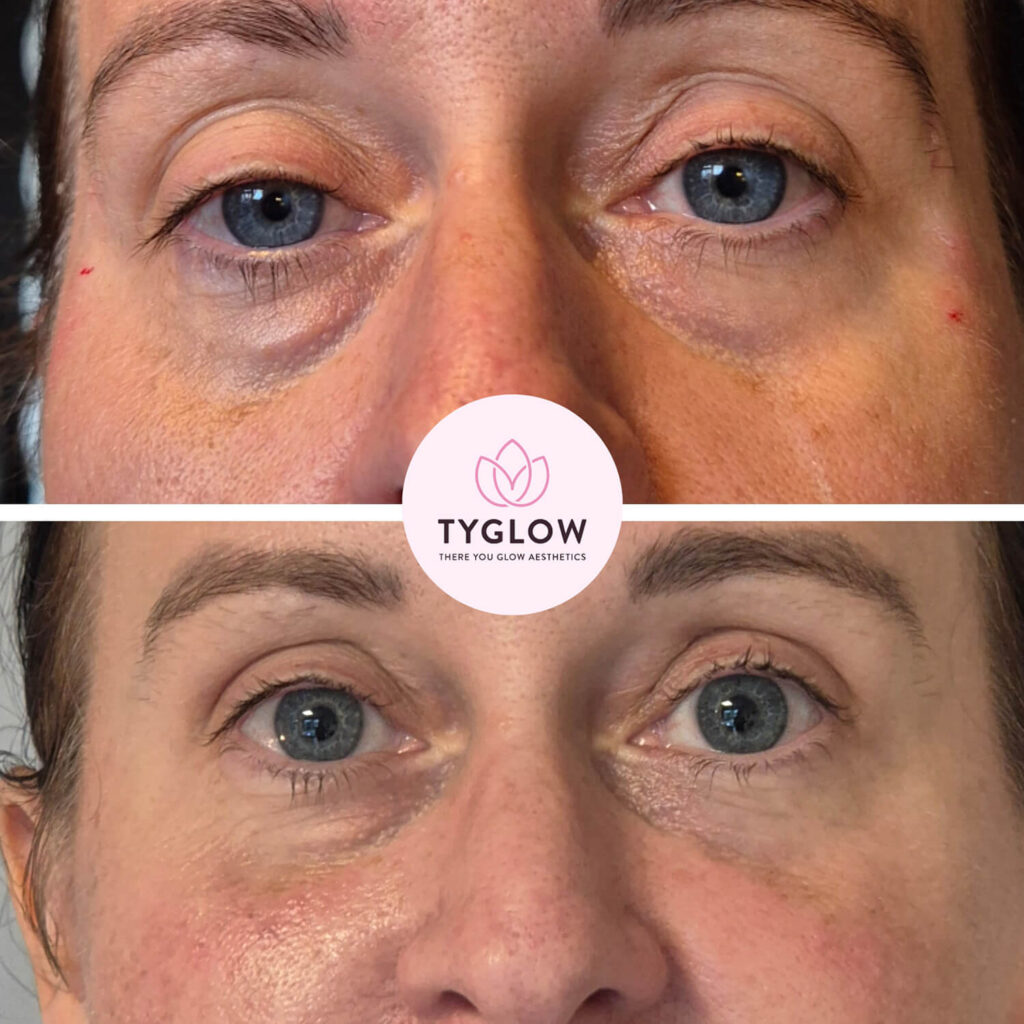
Polynucleotides are a type of injectable skin booster used to support skin regeneration and resilience. They’re often chosen when the goal is to improve skin texture, elasticity and overall skin quality, especially in areas that can look thinner, crepey or more “worn out” over time.
If your skin feels like it’s lost its freshness (for example, it looks dull, feels less firm, or has a more uneven texture) polynucleotides can be a great option.
They’re also commonly used in delicate areas such as the under-eye, as well as the face, neck and décolletage, depending on your skin and suitability.
Results tend to be gradual and natural-looking, with improvements building over several weeks as skin quality improves. Your practitioner will explain what’s realistic for your concerns and recommend the best plan for your skin. As always, results vary.
Most clients benefit from a short course of treatments, with spacing and number of sessions tailored to the area being treated and the skin concern.
| Comparison | Profhilo | Polynucleotides |
|---|---|---|
| Best for | hydration, crepey texture, glow | texture, resilience, tired/fragile areas |
| Areas | face, neck, chest, hands | face, under-eyes, neck, chest |
| Course | often 2 sessions ~4 weeks apart | usually a short course (tailored) |
| Results | gradual over weeks | gradual, builds over weeks |
| Downtime | minimal, possible bumps/bruising | minimal, possible bumps/bruising |
“I’ve recently completed a course of facial rejuvenation… absolutely thrilled with the results… subtle but impactful… skin glowy and perky.”
Sophia
Skin boosters can be used in areas where skin often starts to look drier, thinner or less firm over time. Treatment is chosen based on your skin, your goals and what’s most appropriate for the area.
Common treatment areas include:
If you’re unsure where to start, we’ll guide you during your consultation and recommend the most suitable option for a natural-looking result.
Your visit is designed to be straightforward and comfortable, with plenty of time to ask questions.
Here’s what to expect:
If you’re nervous or unsure, that’s totally normal, we’ll go at your pace and only proceed when you feel comfortable.
“Beginning my skin care journey with Claire… impressed with her knowledge, honesty and professionalism… feel very relaxed… can’t wait to see the progress in my skin.”
Fiona
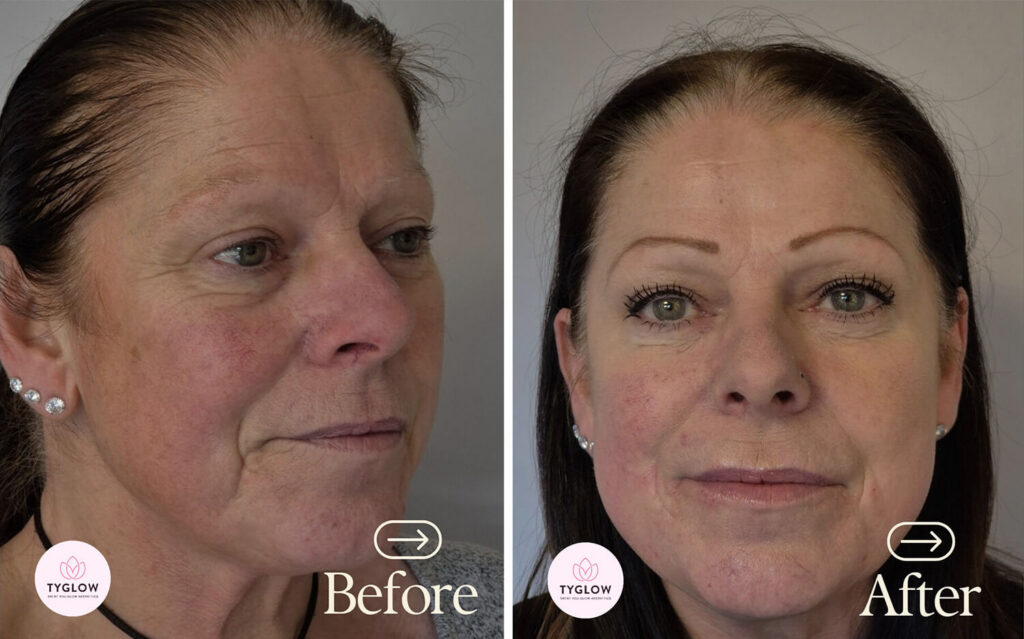
After your skin rejuvenation treatment, it’s normal for the area to look a little pink or feel slightly tender, with small bumps at injection points for a short time.
Normal: mild swelling, redness, tenderness, small bumps, light bruising.
Get in touch urgently if: you have worsening pain, heat, spreading redness, pus, fever, or anything that feels unusual or concerning.
We’ll give you personalised aftercare guidance based on the area treated and the product used.
That depends on the treatment and the area. Profhilo is commonly done as a course of 2 sessions spaced around 4 weeks apart. Polynucleotides are usually recommended as a short course, tailored to your skin and goals.
Skin boosters tend to work gradually. Many people notice improvements building over several weeks, with the best results developing after your course is complete. Results vary.
Longevity varies based on your skin, lifestyle and the product used. Maintenance is often recommended to keep results looking their best.
Most clients return to normal activities the same day. You may have small bumps, redness or bruising at injection points for a short time.
Discomfort is usually mild and quick. We’ll talk you through what to expect and can discuss numbing options if needed.
Sometimes — but suitability depends on your skin, anatomy and the product used. We’ll assess this during your consultation and advise what’s safest and most effective.
For the first 24–48 hours, avoid rubbing the area, heavy exercise, heat treatments (sauna/steam), alcohol if you bruise easily, and strong active skincare on the treated area.
You may be advised to avoid or postpone treatment if you are pregnant/breastfeeding, have an active infection in the area, or have certain medical conditions/medications. A full consultation is always done first.